What Is Freight Forwarding? Everything You Need To Know.
Home
- Blog Details
What Is Freight Forwarding? Everything You Need To Know.
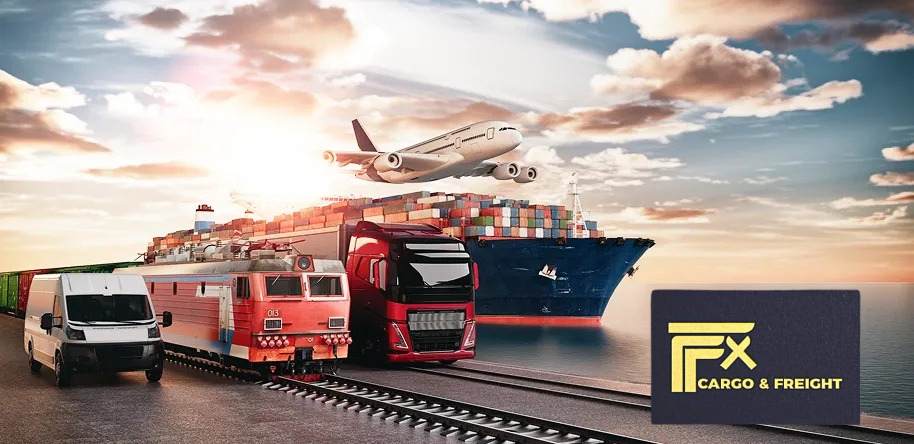
Freight Forwarding is the coordination and shipment of goods from one destination to another on behalf of a shipper or business. Freight forwarders act as intermediaries between the company sending the products and the various transportation services (air, ocean, road, rail) that move them.
In simple terms: You tell a freight forwarder what to send and where, and they handle the logistics.
What Does A Freight Forwarder Do?
A freight forwarder does not usually own planes, ships, or trucks. Instead, they contract with multiple carries to find the most cost-effective, reliable, and fast route. Their main tasks include:
- Booking cargo space: with carriers (airlines, shipping lines, trucking companies).
- Preparing shipping documentation: (Bill of Landing, commercial invoice, packing list, etc.).
- Warehousing and inventory management.
- Cargo insurance arrangements.
- Tracking shipment and updating the shipper.
- Consolidating smaller shipments into full container loads (LCL – Less than Container Load).
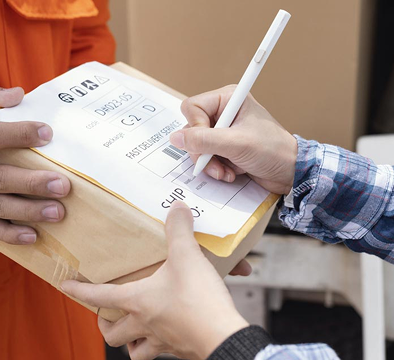

The Freight Forwarding Process - Step by Step
- Quote & booking – Shipper provided cargo details (weight, dimensions, origin, destination). Forwarder gives a price and books space.
- Export haulage – Goods are picked up from the shipper and taken to a warehouse or port/airport.
- Export customs clearance – Forwarder files necessary export declarations.
- Origin handling – cargo is loaded onto the main carrier (ship, plane, truck, train).
- Freight transit – The goods move internationally.
- Import customs clearance – At destination, forwarder (or local agent) clears customs, paying duties/taxes as needed.
- Destination haulage – Final delivery to the consignee’s address.
Key Documents in Freight Forwarding & Purpose
- Bill of Lading (ocean); Contract of carriage and title of goods
- Air Waybill (air); Contract between shipper and airline.
- Commercial Invoice; Value and description for customs
- Packing List; Details of each package
- Certificate of Origin; Where goods are made (for tariffs)
- Shipper’s Letter of Instruction; Authorizes forwarder to act.
Types Of Freight Forwarding (By Mode)
- Air Freight: Fast, expensive, ideal for time-sensitive or high-value goods.
- Ocean Freight: Slow, low-cost, best for heavy or bulky goods. Options; FCL (Full Container Load) or LCL (Less than Container Load).
- Road Freight: Flexible for regional/domestic moves.
- Rail Freight: Efficient for land-based long distances (e.g. China-Europe).
Many shipments use intermodal freight forwarding – combining two or more modes (e.g., truck + ship + truck).
Why Do Business Use Freight Forwarders?
• Save time – Forwarders handle complex logistics, paperwork, and customs.
• Lower costs – They have negotiated rates with carriers.
• Reduce risk – Knowledge of regulations prevents delays, fines, or seized goods.
• Global network – Agents in other countries ensure smooth handsoffs.
• Tracking & visibility – One point of contract for the entire journey.
Freight Forwarder vs. Courier vs. Carrier
✓ Owns Vehicles?
Freight Forwarder – Rarely
Courier (e.g. DHL, FedEx Express) – Mostly
Carrier (e.g., Maersk, UP Freight) – Yes
✓ Best for
Freight Forwarder – Large, commercial shipments
Courier (e.g. DHL, FedEx Express) – Small parcels, documents
Carrier (e.g. Maersk, UP Freight) – Point-to-point transport
✓ Services
Freight Forwarder – End-to-end logistics, customs
Courier (e.g. DHL, FedEx Express) – Door-to-door, less paperwork
Carrier (e.g. Maersk, UP Freight) – Often just transport.
Common Incoterms In Freight Forwarding
Incoterms define who pays for what and where risk transfers. Forwarders use them to set expectations:
• FOB (Free on Board) – Seller loads goods onto ship; buyer pays main freight.
• CIF (Cost, Insurance & Freight) – Seller pays freight and minimum insurance.
• EXW (Ex Works) – Buyer picks up from seller’s location.
• DDP (Delivered Duty Paid) – Forwarder/seller handles everything, including import duties.
Challenges In Freight Forwarding (Be Aware)
• Port congestion & delays
• Customs holds (incorrect paperwork)
• Fluctuating fuel costs and freight rates
• Damage or loss of cargo
• Regulatory changes (trade wars, sanctions)
A good freight forwarder helps you navigate all of these.
How To Choose A Freight Forwarder
✓ Check experience with your product type and target countries.
✓ Ask about their network – do they have local agents at destination.
✓ Review their technology – online tracking, digital documents management
✓ Verify licenses – e.g., IATA for air freight, NVOCC for ocean.
✓ Get references from.similar business.